01
Revenue position is drifting.
RevPAR, RGI, rate integrity, channel mix, or group displacement is moving against the asset.
Spark Hudson helps hotel owners, investors, and operators read market signal, establish position, and convert strategy into operating performance.
Most hotels manage commercial decisions in fragments: revenue, staffing, operations, technology, training, and ownership strategy handled as separate workstreams.
Spark Hudson integrates those disciplines into one operating architecture, so strategy does not stop at the recommendation deck.
Each product owns a layer of hotel performance. Together, they create a coherent position for the asset.

Revenue strategy, eCommerce, distribution, group commerce, market intelligence, and lead management under one commercial discipline.

Hotel-ready staffing coverage for the roles and departments that keep the asset operating without performance drag.
Housekeeping, room readiness, and property operating systems built for consistency at the guest-facing edge.
Fractional intelligence leadership, hotel technology stack assessment, AI integration, and commercial discoverability.
Training, certification pathways, and judgment development for teams expected to perform at an institutional standard.
Engagements begin where performance pressure is already visible: revenue position, operating capacity, technology confidence, or ownership clarity.
RevPAR, RGI, rate integrity, channel mix, or group displacement is moving against the asset.
Staffing, room readiness, training, or departmental execution is creating measurable friction.
The stack is expensive, fragmented, AI-unclear, or disconnected from commercial decision-making.
Spark Hudson supports ownership groups, operators, brands, and market stakeholders through the advisory lane that matches the decision at hand.
Commercial visibility, operator accountability, technology discipline, and asset-level confidence.
Feasibility, underwriting, due diligence, market studies, financial modeling, and owner representation.
Revenue leadership, staffing coverage, operational readiness, training, and technology execution.
Market intelligence, demand signal, stakeholder alignment, and commercial strategy across portfolios.
Commercial advice is only useful when it is grounded in operating reality. Spark Hudson brings advisory, operator, and intelligence experience into the same decision structure.
Spark Hudson combines brand-environment knowledge, commercial advisory experience, operating leadership, and direct platform fluency across the hotel ecosystem.
Our team holds certification in Marriott, IHG, Hilton, Choice, and independent hotel revenue management systems. CRME certified through HSMAI. USALI 11th Edition certified through HFTP.
Senior leadership stays close to the work, bringing commercial, operating, and intelligence judgment into the same room.
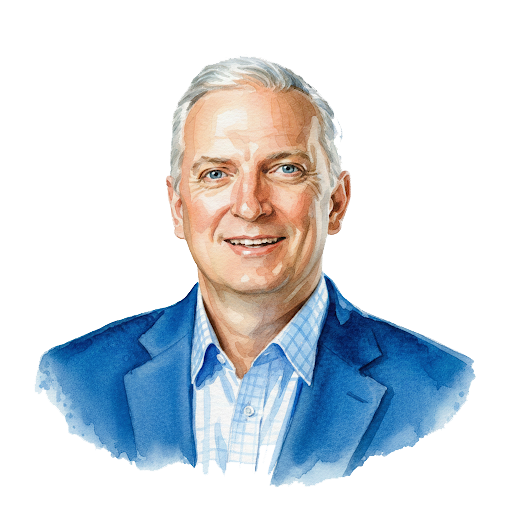
Commercial and ownership-layer hotel advisory across luxury, branded, independent, and lender-side environments.
Will has read hotel markets from the inside for more than two decades, across Ritz-Carlton, Marriott, Hilton, the St. Regis, Conrad, and independent properties in the US and EMEA. He has run the revenue desk, managed the ownership conversation, advised on capital structure, and stood as expert witness in US Bankruptcy Court on behalf of lenders. He has sat at every level of the commercial operation. CRME, USALI certified. Featured in Joseph Michelli's The New Gold Standard.
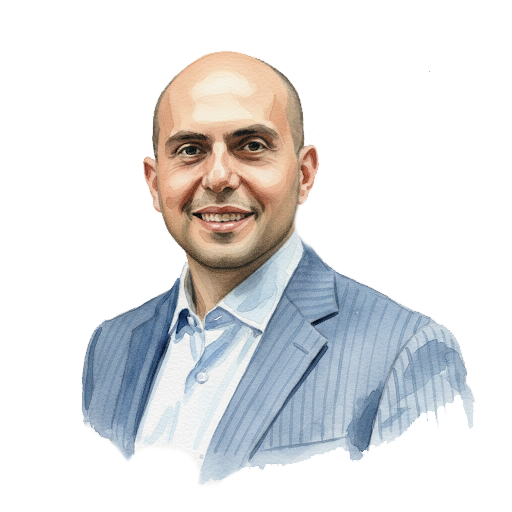
Business development and commercial relationship strategy for the conversations that shape firm position.
Eduardo builds the commercial relationships that open new positions for Spark Hudson +. He reads the market before the introduction, maps the ownership landscape before the meeting, and positions the firm for the conversations that matter. Business development as a discipline, not a function.
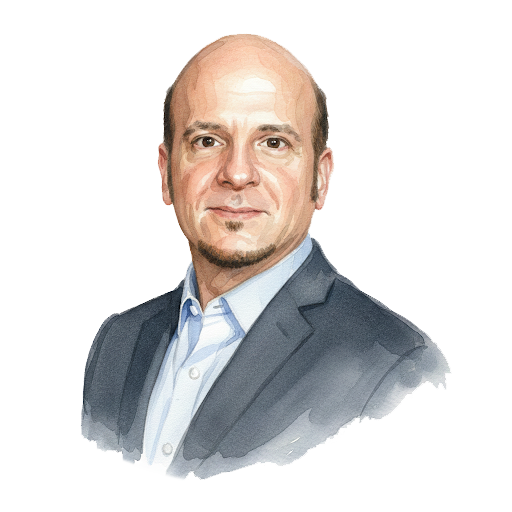
Revenue management and operating leadership across on-property, regional, and corporate hotel environments.
Thomas has held the revenue management position at every level: on-property, regional, and corporate. Starwood. Interstate Hotels. Hersha. NewcrestImage. He built the systems, then ran them. He has served as General Manager and as Corporate Director of Revenue Management for one of the largest hotel companies in the world. He reads operations the way only someone who has run every system from the inside can.
A concise intelligence product for owners, operators, and commercial leaders tracking demand, distribution, labor, technology, capital, and AI-search movement across hospitality.
Concise answers for common commercial, operational, technology, and asset-management decisions.
Hotel commercial intelligence is the integrated discipline of reading market signals, competitive data, demand patterns, and operating metrics to establish and sustain commercial position. Spark Hudson applies it across revenue, labor, technology, operations, and asset-level decisions.
When RevPAR is drifting below the competitive set, when a repositioning or flag change is approaching, when the internal team lacks depth, or when ownership needs an independent commercial read before a financing or sale.
A fractional hospitality CTO provides senior technology and intelligence leadership without a full-time hire, covering stack assessment, vendor selection, AI integration, and commercial discoverability.
AI can improve profitability when it produces measurable advantage in demand forecasting, rate decisions, channel strategy, guest communication, and AI-search discoverability. It should be judged by commercial output, not novelty.
Hotel asset management represents ownership interests by monitoring performance, holding operators accountable, advising on capital decisions, and evaluating strategic options across the asset lifecycle.
Tell us where performance, position, staffing, technology, or ownership confidence is breaking from the evidence.